Cover-Ups6 min read
Almost everyone who walks in with an old tattoo they dislike asks the same question first: can this be covered? The answer is usually yes, but the more useful question is what it will take to cover it well.
Four things decide the difficulty: how dark the existing ink is, how densely it was packed, how old and faded it has become, and what colours were used. A light, aged black-and-grey piece gives an artist enormous freedom. A heavily saturated black tribal band gives very little, because new ink has to sit on top of what is already there.
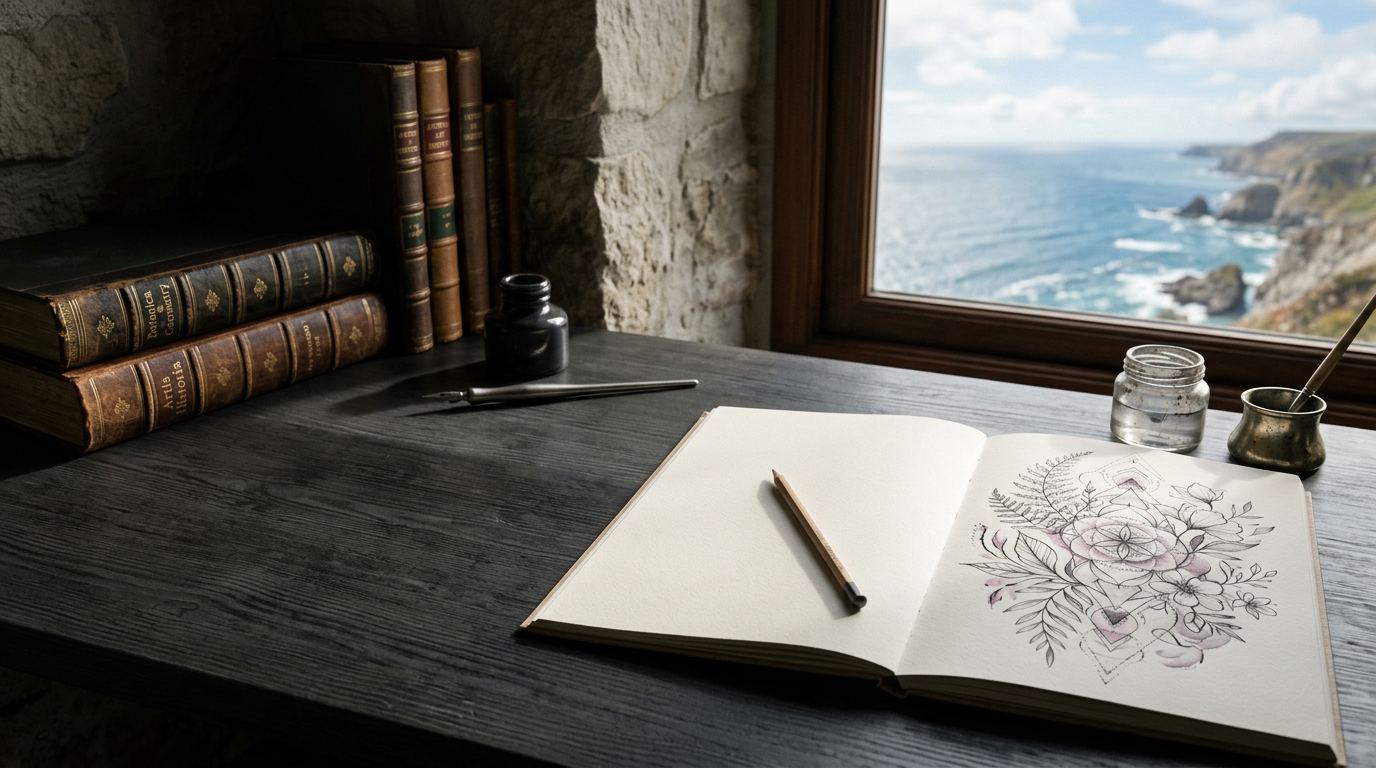
The design is the real tool. Cover-ups work by giving the eye something stronger to follow — flowing shapes, strategic shading and dark anchor points that let the old outline disappear into a larger composition. That is why cover-up designs tend to be bigger than the piece they replace, and why floral, ornamental and black-and-grey work cover so effectively.
Sometimes the right advice is to wait. Three or four laser sessions to fade a stubborn old tattoo can turn an awkward compromise into a genuinely free design. It adds months to the timeline, but the finished result is often dramatically better, and you are told this up front rather than after the fact.
Bring a clear, well-lit photo of the existing tattoo to your consultation, or come in and let it be assessed in person. You will get a straight answer either way.